What Is the Government of India?
The Government of India, also known as the Union Government or Central Government, is the authority that administers the entire nation. It works under the framework of the Indian Constitution and ensures that the country functions smoothly, safely, and fairly. It handles everything from national security to economic policy, education, healthcare, and international relations.
Historical Background of the Indian Government
India gained independence from British rule in 1947. Soon after, the need for a strong and democratic system became clear. The Constitution of India came into effect on January 26, 1950, creating a powerful structure that defined how the government should operate. This day became celebrated as Republic Day, marking India’s transition to a democratic republic.
Three Branches of the Indian Government
The Government of India is built on three main pillars, each performing unique functions while keeping a balance of power.
The Legislature: Making the Laws
The legislature, known as the Parliament, is responsible for creating laws. It consists of two houses known as the Lok Sabha (House of the People) and the Rajya Sabha (Council of States). While the Lok Sabha represents Indian citizens directly, the Rajya Sabha represents the states. Bills are introduced, debated, and passed in these houses before becoming laws.
The Executive: Implementing the Laws
The executive branch ensures that laws are put into action. It is led by the President of India, who is the constitutional head. However, the real executive power lies with the Prime Minister and the Council of Ministers. They handle day-to-day governance, policy decisions, and administration across various ministries.
The Judiciary: Interpreting the Laws
The judiciary ensures justice and protects citizens’ rights. At the top stands the Supreme Court of India, followed by High Courts in states and district-level courts. The judiciary acts as a guardian of the Constitution and checks whether laws and government actions follow constitutional principles.
Federal Structure of the Indian Government
India follows a federal system, which means governing powers are divided between the central government and state governments. While the Centre manages national issues like defence, foreign affairs, and currency, states handle matters such as police, healthcare, and agriculture.
The Role of the President of India
The President is the ceremonial head of the country but plays an important constitutional role. The President appoints the Prime Minister, signs bills into law, and represents the nation at official events. In special situations, the President can also exercise emergency powers.
The Role of the Prime Minister of India
The Prime Minister is the most powerful figure in Indian governance. Leading the Council of Ministers, the Prime Minister guides all major policies, administration, and future strategies for the nation. From economic reforms to digital revolution programs, the Prime Minister’s leadership deeply affects the country’s direction.
Council of Ministers and Ministries
India has various ministries like Defence, Finance, Education, Health, Agriculture, and more. Each ministry is headed by a cabinet minister who is responsible for its functioning. These ministries ensure that government policies reach citizens effectively.
How Elections Shape the Government
Elections play a vital role in forming the government. India follows a democratic system where citizens elect their representatives through free and fair elections. The Election Commission of India supervises the entire process to maintain transparency and fairness.
Fundamental Rights and Duties in Governance
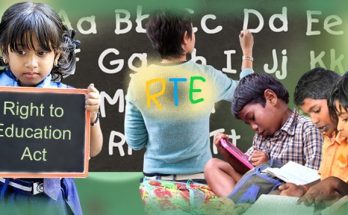
The Indian Constitution guarantees fundamental rights such as freedom of speech, equality, and the right to justice. It also lists fundamental duties that encourage citizens to contribute positively to the country. The government is responsible for protecting these rights and promoting duties among citizens.
Government Policies and Development Programs
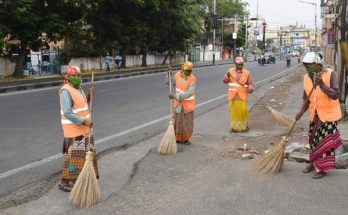
To improve the quality of life, the Government of India launches various schemes related to education, employment, housing, healthcare, and rural development. Programs like Digital India, Make in India, Swachh Bharat, and Ayushman Bharat demonstrate the government’s commitment to progress and modernization.
The Importance of the Indian Government in Daily Life
Whether it’s the roads we travel on, the schools we study in, or the safety we enjoy, the government’s presence is deeply rooted in everyday life. It ensures law and order, builds infrastructure, supports industries, and sets policies that shape the nation’s future.