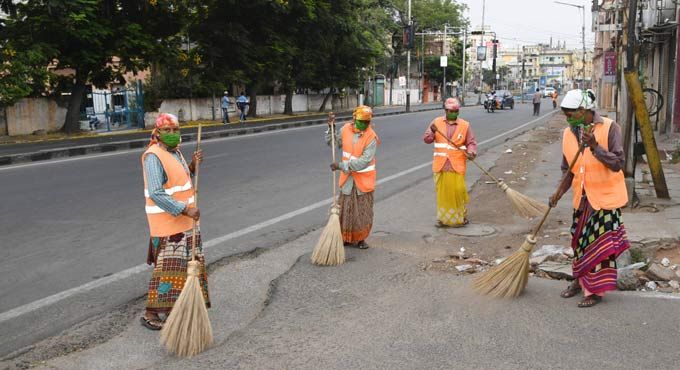
The Vision Behind Swachhata Initiatives
At its core, Swachhata-MoHUA is driven by the vision of creating clean, livable, and sustainable urban environments. The initiative aligns with the larger mission of Swachh Bharat Mission, which seeks to eliminate open defecation and ensure scientific waste management across urban areas.
Swachh Survekshan: India’s Largest Cleanliness Survey
One of the most powerful tools under this initiative is Swachh Survekshan. This annual survey ranks cities based on cleanliness, sanitation practices, and citizen feedback. It creates healthy competition among cities, encouraging municipalities to improve infrastructure and services continuously.
Key Objectives of Swachhata-MoHUA
The mission focuses on improving solid waste management systems, promoting source segregation, and enhancing public sanitation facilities. It also aims to increase citizen participation, making cleanliness a shared responsibility rather than just a governmental task.
Role of Technology in Clean India Mission
Technology plays a crucial role in this initiative. From mobile apps that track waste collection to data-driven dashboards used by municipal bodies, digital tools ensure transparency and efficiency. Real-time monitoring has made urban governance smarter and more accountable.
Citizen Participation and Behavioral Change
What truly sets Swachhata-MoHUA apart is its emphasis on behavioral change. Campaigns encourage citizens to adopt habits like waste segregation and avoiding littering. After all, can any cleanliness mission succeed without active public participation?
Impact on Urban Infrastructure
The initiative has significantly improved urban infrastructure, including better waste processing plants, modern public toilets, and efficient garbage collection systems. Cities that once struggled with sanitation are now becoming models of cleanliness.
Awards and Recognition System
Cities performing well under Swachh Survekshan are recognized and awarded, boosting morale and inspiring others. This recognition system has turned cleanliness into a matter of civic pride across India.
Challenges in Implementation
Despite its success, challenges remain. Rapid urbanization, population density, and lack of awareness in certain areas can slow progress. However, continuous policy updates and awareness campaigns aim to overcome these hurdles.
Future of Swachhata-MoHUA
The future lies in sustainable practices such as waste-to-energy solutions, circular economy models, and zero-waste cities. The mission is evolving beyond cleanliness into long-term environmental sustainability.
Why Swachhata Matters More Than Ever
Clean cities are not just visually appealing—they are healthier, safer, and more economically productive. Swachhata-MoHUA proves that when governance meets community effort, transformation is not just possible—it is inevitable.
Conclusion
Swachhata-MoHUA stands as a shining example of how structured policy, citizen engagement, and technology can revolutionize urban living. It is more than a campaign—it is a mindset shift that continues to shape the future of India’s cities.